Prospect Theory Before Prospect Theory: Balzac's Intuition
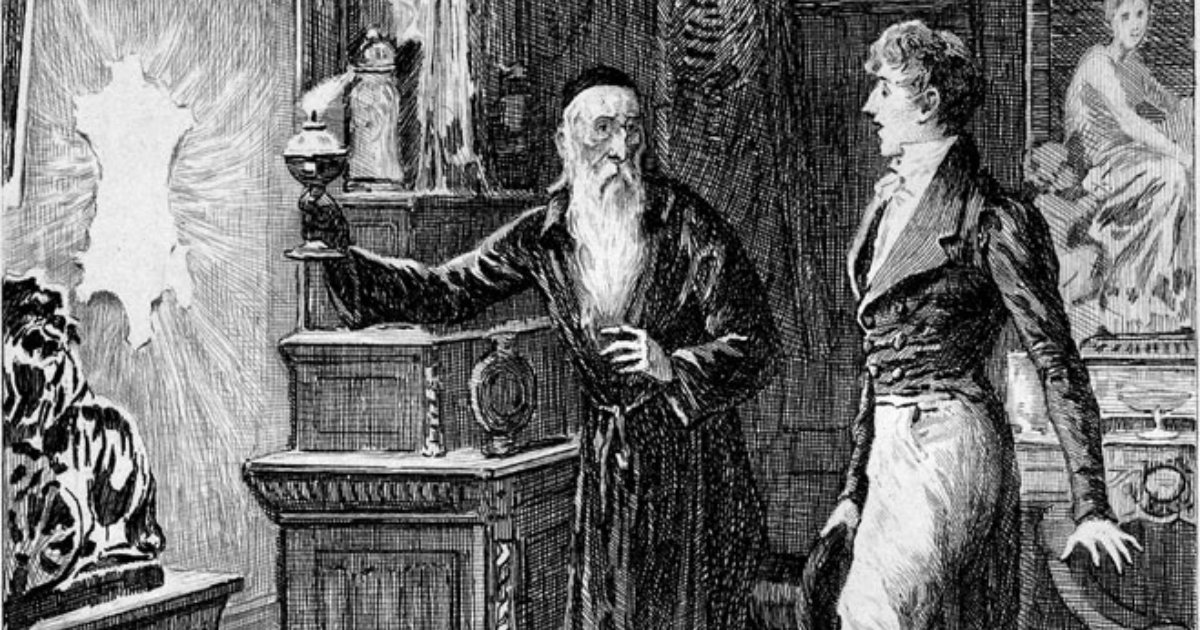
This morning, my ritual coffee brewing sparked thoughts about Balzac, the man who drank coffee like a dehydrated camel approaching an oasis. My favorite piece from him is “La Peau de chagrin” (The Wild Ass’s Skin).
The novel, a brilliant outlier from his Human Comedy series, opens with the protagonist Raphaël de Valentin trapped in a hopeless situation.
When he suddenly finds a few coins, he does something seemingly irrational: he takes a risky gamble instead of the “utility-maximizing” choice. But was his decision truly irrational?
Well over a century later, Daniel Kahneman and Amos Tversky would formalize this behavior as Prospect Theory: When people face near-certain loss, they become risk-seeking. They prefer a slim chance of escape over a guaranteed bad outcome. This psychological insight, which Balzac captured so vividly, later earned Kahneman a Nobel Prize.
Yet, Balzac had already written it over a century earlier…